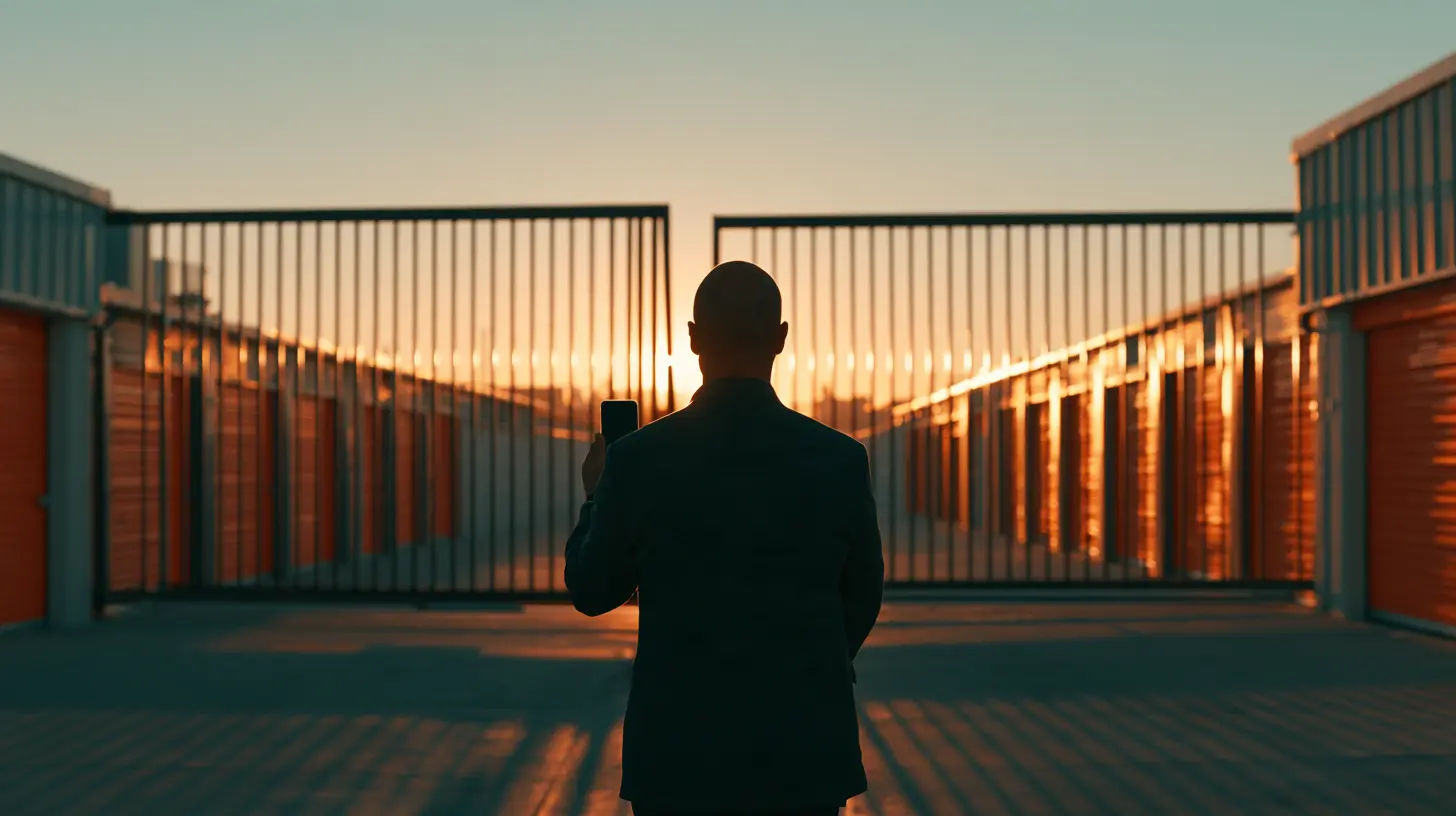
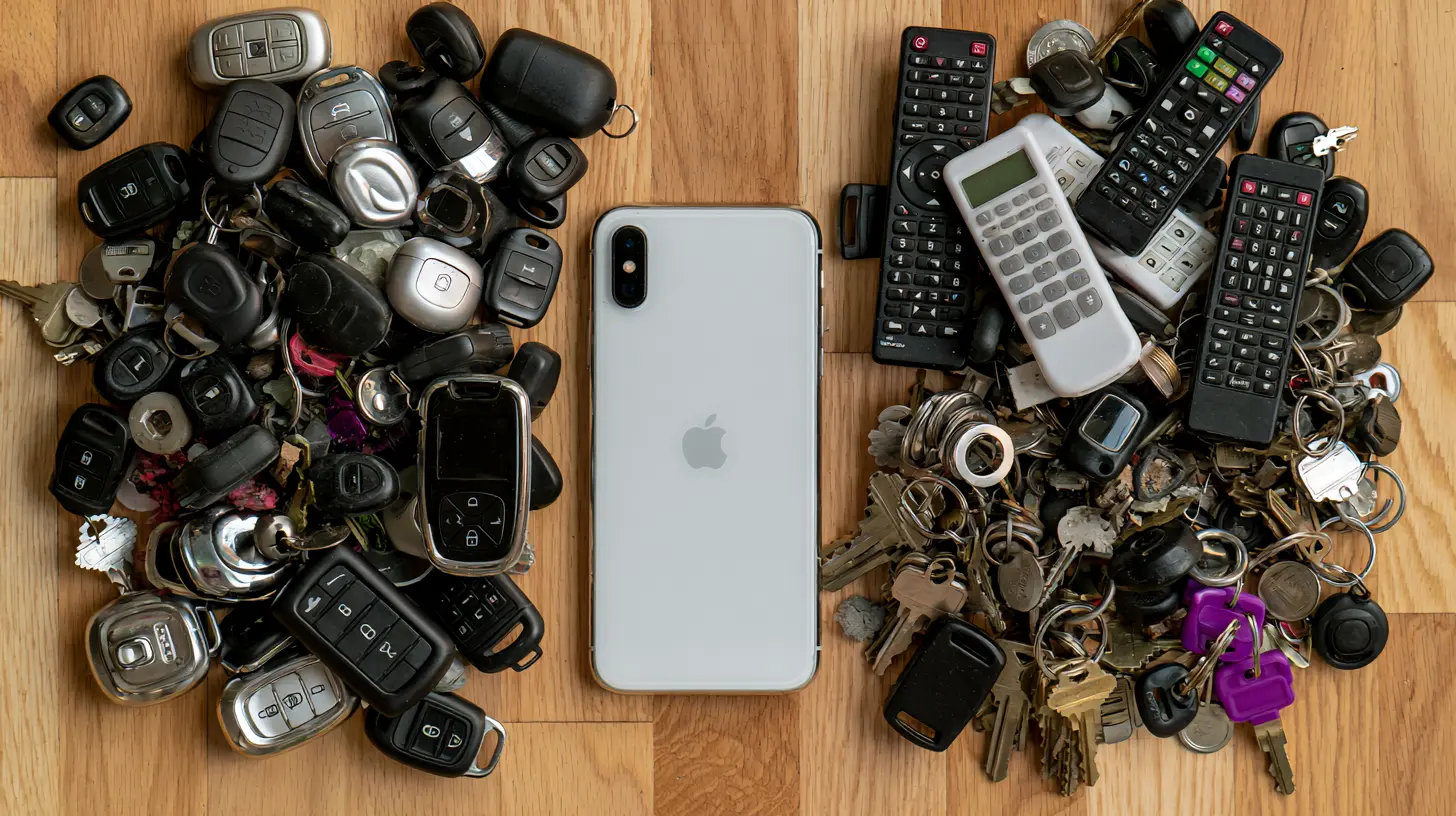
Budget season looks different from the regional seat. A community manager defends one property's line items. A regional manager stares at the same access control problem multiplied across a mixed portfolio: garden-style apartments on aging keypads, a mid-rise on an apartment key fob system from a vendor that got acquired twice, a lease-up offering the keyless entry residents now expect but on a platform nobody else in the portfolio uses. Three logins, three support numbers, three ways for a move-out to slip through the cracks.
Each of those systems looks affordable on its own community budget. Rolled up at the portfolio level, they are one of the most fragmented spend categories a regional manager owns, and one of the few where consolidation improves the resident experience instead of trimming it.
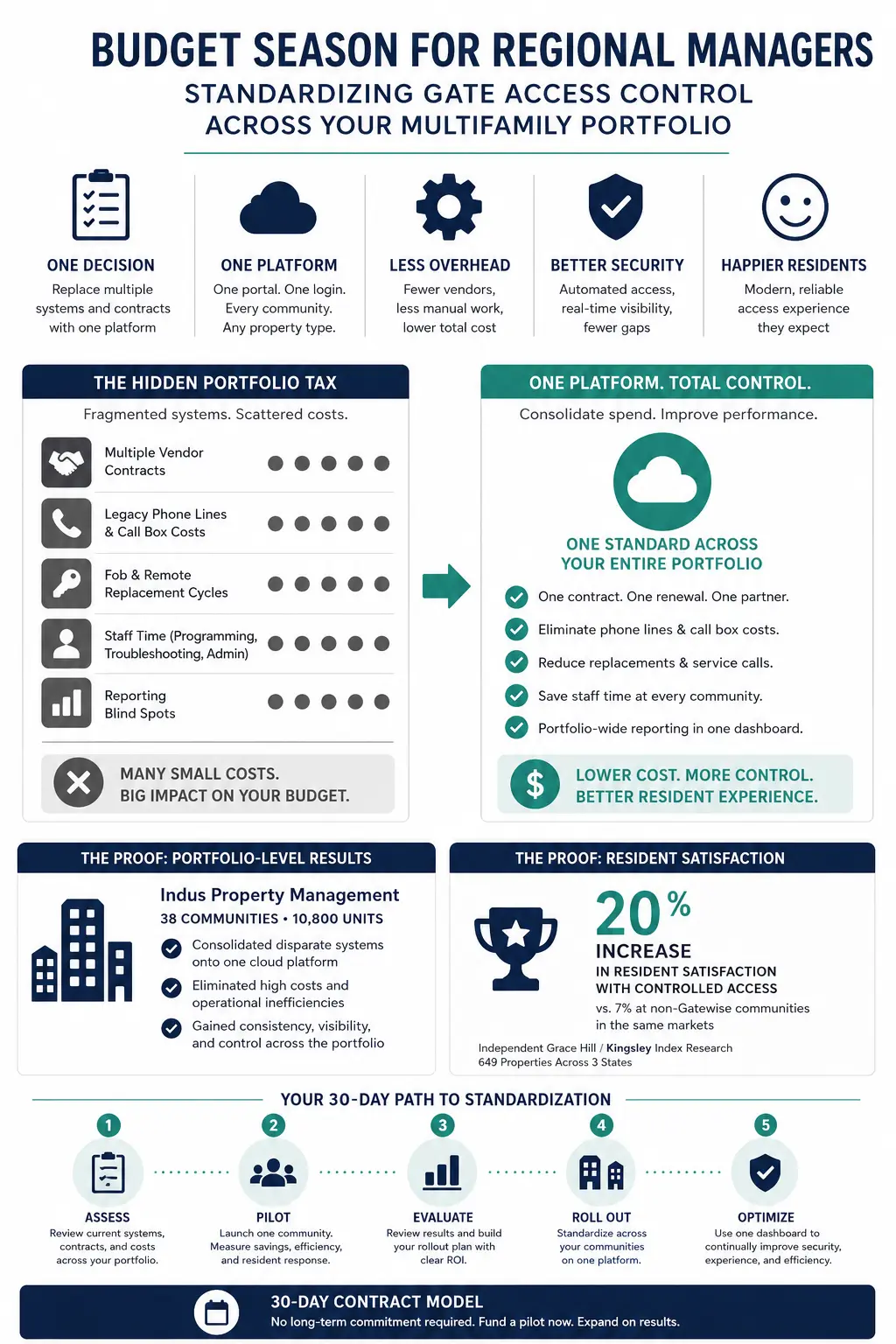
Fragmented access control does not show up as one budget line. It shows up as many small ones, spread across communities where no single manager sees the total.
Vendor and contract sprawl. Separate renewals, separate escalation clauses, separate service-level terms. Every additional vendor is procurement overhead nobody budgets for explicitly.
Legacy phone lines and hardware cycles. The apartment call box at the front gate is the classic example: legacy call box and intercom system hardware carries recurring telecom charges and a replacement cycle that never ends. When Q10 Property Management standardized on Gatewise across its Texas communities, the company cited eliminating the need for traditional, expensive phone lines as a direct cost saving, alongside replacing outdated keypad access.
Staff time that never appears on a budget. Apartment key fob programming, remote replacement, manual move-in and move-out provisioning, and access troubleshooting consume onsite hours at every community. At a single garden-style community, Camelback Cove Apartments in Phoenix, moving to Gatewise translated into staff saving 25+ hours per month and roughly $10,000 per year. As an illustrative model, not a Gatewise-measured result: at $10,000 per community, a 10-community region would be looking at roughly $100,000 a year, and the budget conversation changes shape.
Reporting blind spots. When every community runs a different system, portfolio-level questions (who entered, when, where, how often are gates failing) require ten phone calls instead of one dashboard filter. That is not just inefficiency; it is risk sitting outside your visibility.
The case for one platform is not that it is newer. It is that it converts a portfolio of inconsistent systems into a single operating standard, which is the thing regional managers are actually measured on.
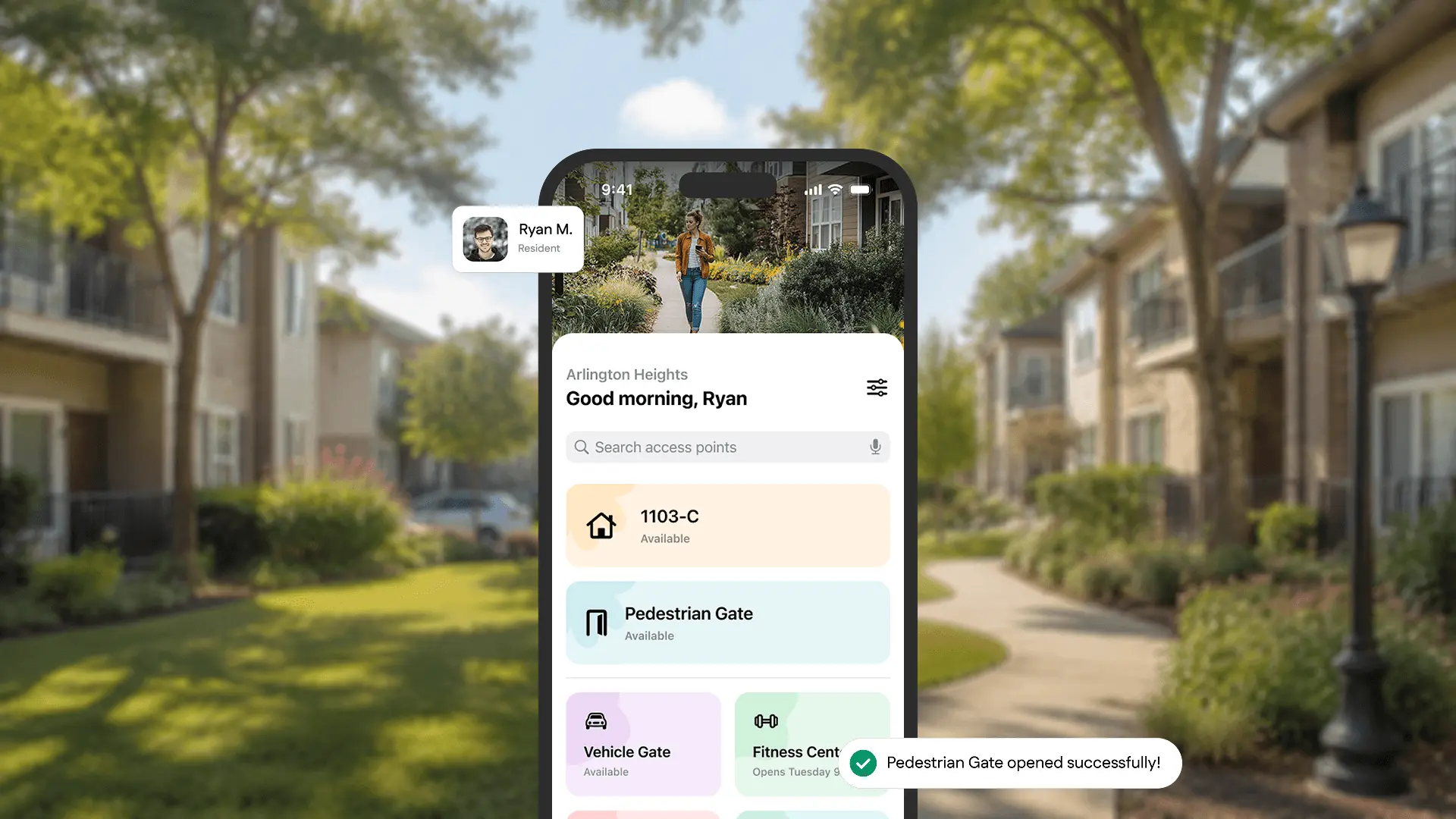
One portal, every community type. The same cloud portal runs identically across garden-style, mid-rise, and high-rise communities, so staff who transfer between properties do not retrain, and workflows travel with them. The same access control technology extends to self storage gate access systems and mixed-use properties for portfolios that hold more than multifamily. Role-based access lets you see the portfolio while each community team sees today.
Credentials that follow the lease automatically. Deep integrations with Yardi, RealPage, Entrata, and ResMan mean move-ins and move-outs provision and revoke automatically at every community, removing the manual step that produces both security gaps and resident complaints.
One guest workflow portfolio-wide. Residents send time-limited Visitor Keys that expire on their own, and Guest Access, the QR-based intercom system, replaces the physical apartment call box and its maintenance line item at every community that still has one. Same keyless entry experience for residents, same audit trail for you, whichever property they live at.
Reliability that does not depend on each building's internet. Cellular-first connectivity keeps gates and doors working when a community's ISP does not, which matters most at exactly the properties a regional manager visits least.
Standardization arguments are easy to make in the abstract, so anchor the budget request in operators who already did it.
Indus Property Management, a family-owned Houston operator, ran multiple access control products across its portfolio and found the arrangement produced high costs and operational inefficiencies. Indus consolidated all 38 communities and 10,800 units onto one cloud-based Gatewise platform. Sergio Pineda, IT Manager, described the shift as a quantum leap forward in bridging the gap in service delivery.
At Q10 Property Management, CEO Stephanie Graves rolled Gatewise across the company's Texas communities and put the regional logic plainly: why aren't we using this everywhere? The result Q10 reports is enhanced control over the portfolio's gate and access point systems and resident satisfaction that is better than ever.
And the resident side holds up under independent measurement. Grace Hill / Kingsley Index research tracking 649 properties across California, Texas, and Georgia from 2023 to 2025 found Gatewise communities saw a 20 percent increase in resident satisfaction with controlled access, versus 7 percent at non-Gatewise communities in the same markets, and a 16.5 percent stronger link between access control and resident retention intent. That retention link is the number to circle for ownership: retention is the single largest lever on net operating income (NOI) for most multifamily operators, because every avoided turn removes make-ready cost and vacancy loss from the NOI formula at once. The same research notes improvements were consistent across all three states studied, which is the point for a regional manager: this is a portfolio-wide effect, not a single-market anomaly. For context, the study also found that more than 60 percent of community managers are already adopting electronic access systems, so the standardization question is increasingly when, not whether.
1. Inventory what you are already spending. Pull every access-related line from every community budget: vendor contracts, phone lines, fob and remote replacement, gate service calls, and locksmith visits. This number is almost always larger than anyone expects, because it has never been added up in one place.
2. Estimate the staff time. Ask each community manager how many hours per month go to access issues. Camelback Cove's 25+ hours is a reasonable reference point for a garden-style community on legacy hardware.
3. Fund a pilot, not a portfolio. Gatewise operates on 30-day terms, so standardization does not require locking a multi-year commitment into this budget cycle. Pick the community with the worst legacy spend, deploy, and measure. Installation completes in hours for small setups and a couple of days for larger systems, so the pilot delivers data within the same budget year.
4. Expand on evidence. Take the pilot's before-and-after numbers to ownership. Asset managers approve consolidation plays backed by measured results far faster than platform pitches backed by brochures. The ROI Calculator helps frame the portfolio-level model.
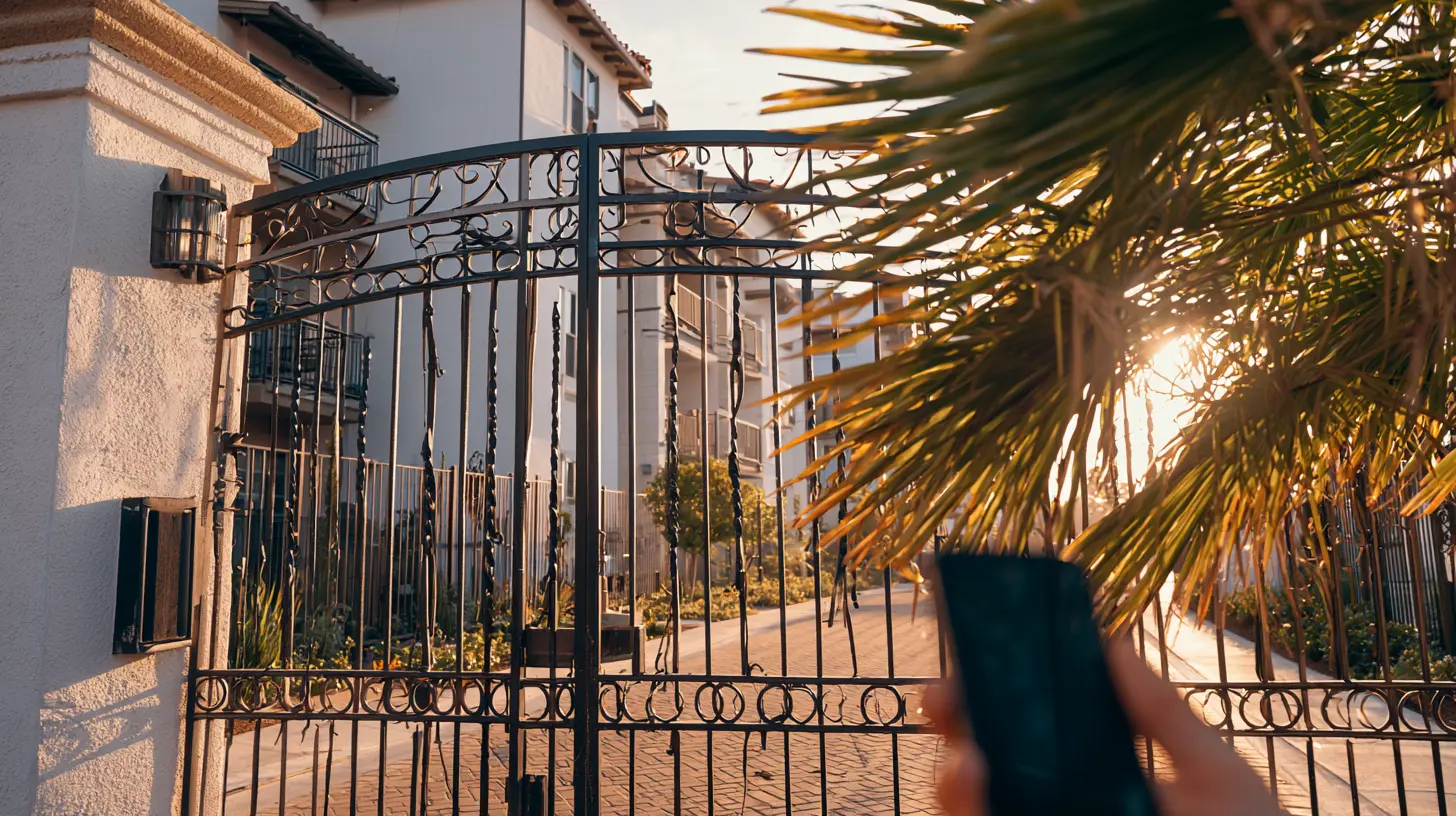
Fragmented access control is a portfolio tax paid in small, scattered increments that never get challenged because they never appear together. Budget season is the one time of year they can. Regional managers who consolidate gate access control onto a single smart access platform trade vendor sprawl, call box phone lines, and untracked staff hours for one dashboard, one workflow, and one budget line that ownership can actually evaluate. The operators who have done it at scale report lower costs, better control, and residents who notice the keyless entry difference every day.
What does it cost to run multiple access control systems across a portfolio? The spend hides in separate community budgets: vendor contracts, legacy phone lines, fob and remote replacement, gate service calls, and staff hours. Q10 Property Management cited eliminating traditional expensive phone lines as a direct saving after standardizing, and Camelback Cove Apartments reports saving 25+ staff hours per month and roughly $10,000 per year at a single community.
Can one access platform really cover garden-style, mid-rise, and high-rise communities? Yes. Gatewise runs the same cloud portal and resident app across every multifamily community type, plus student housing, self-storage, mixed-use, and senior communities. Configurations flex per property; the management experience stays the same, which is what makes portfolio standardization workable.
Do we have to replace working gate hardware to standardize? No. Gatewise deploys retrofit-friendly, integrating with existing gate operators and access points where they work and replacing hardware only where it is at end of life. Modernization does not require a capital construction project.
How long does portfolio-wide implementation take? Individual installations complete in hours for small setups and a couple of days for larger systems. Indus Property Management rolled the platform across 38 communities and 10,800 units, replacing multiple disparate systems with one unified platform.
Does standardizing require a long-term contract? No. Gatewise offers 30-day terms, so a regional manager can fund a single-community pilot this budget cycle and expand on measured results rather than committing the full portfolio up front.
What is a call box, and do we still need one at each community? A call box is the legacy intercom hardware at an apartment gate or lobby that lets visitors dial a resident or the office over a phone line. It carries recurring telecom charges and frequent maintenance. Gatewise Guest Access replaces the physical call box with a QR-based intercom: visitors scan a code and connect to the resident or team by video, with no directory hardware to maintain.
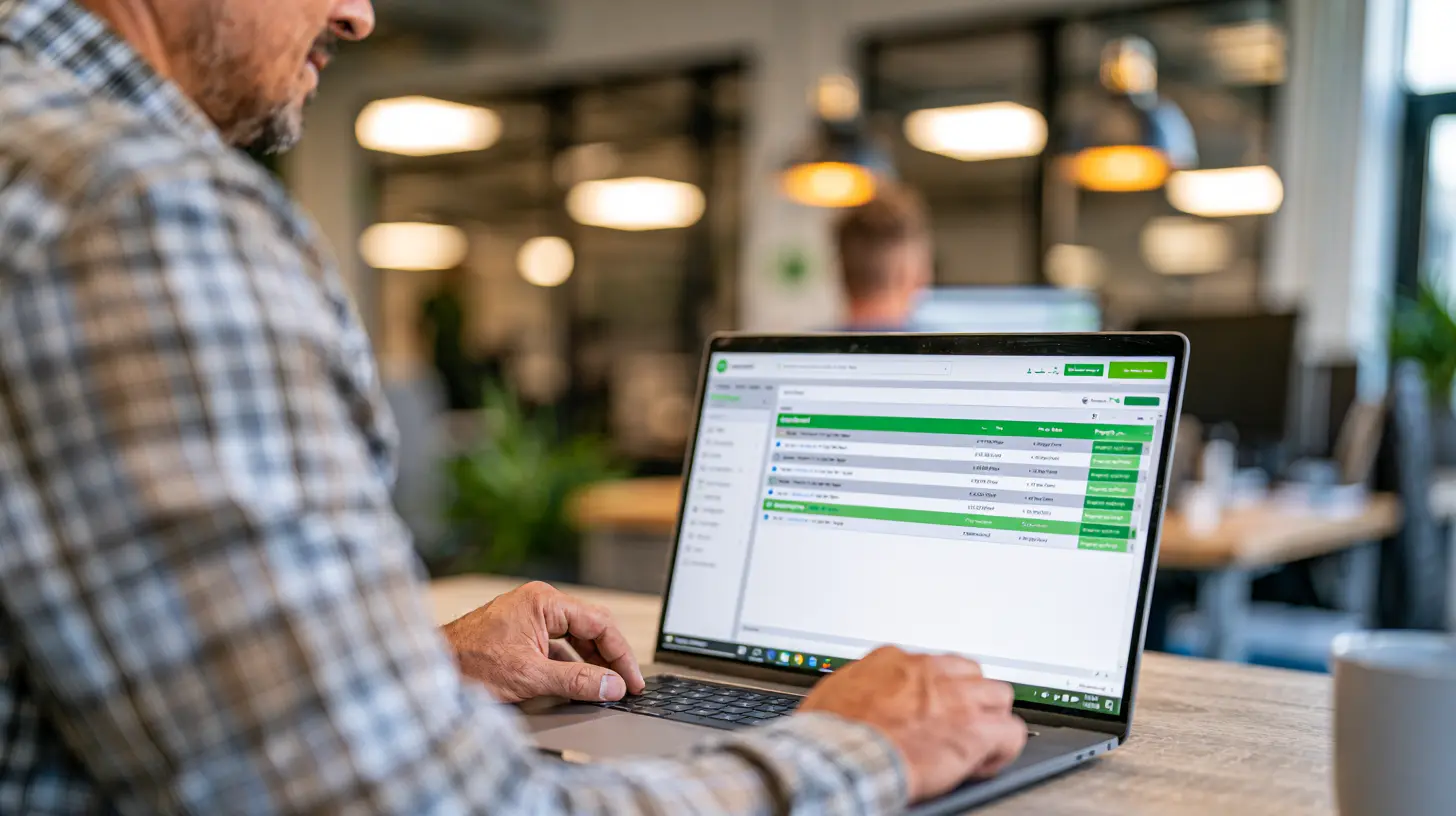
What visibility does a regional manager get? A centralized portal with real-time activity across every gate, door, and amenity at every community, filterable by property, access point, credential, or time range, with role-based views so community teams, regional leaders, and ownership each see the right level.
Ready to see what one platform looks like across your portfolio? Schedule a demo with a Gatewise expert.
Gatewise offers a simple and modern gate entry system that provides residents with a mobile app and managers with a cloud-based management portal.