
HOA board members wear many hats—mediating neighbor disputes, managing vendor contracts, enforcing architectural standards. But when a resident's car gets broken into or a package disappears from a doorstep, security becomes the only conversation that matters.
The numbers tell a compelling story. According to a Crime & Justice Research Alliance study, homes in non-gated communities are burglarized 33% more often than those in gated communities. Meanwhile, Florida Atlantic University research found that homes in gated communities command approximately $30,000 higher prices on average—a premium that validates security investments.
Yet for many HOAs, 'security' still means a decade-old call box, a stack of gate remotes that may or may not work, and a spreadsheet tracking who has which fob. There's a better way.
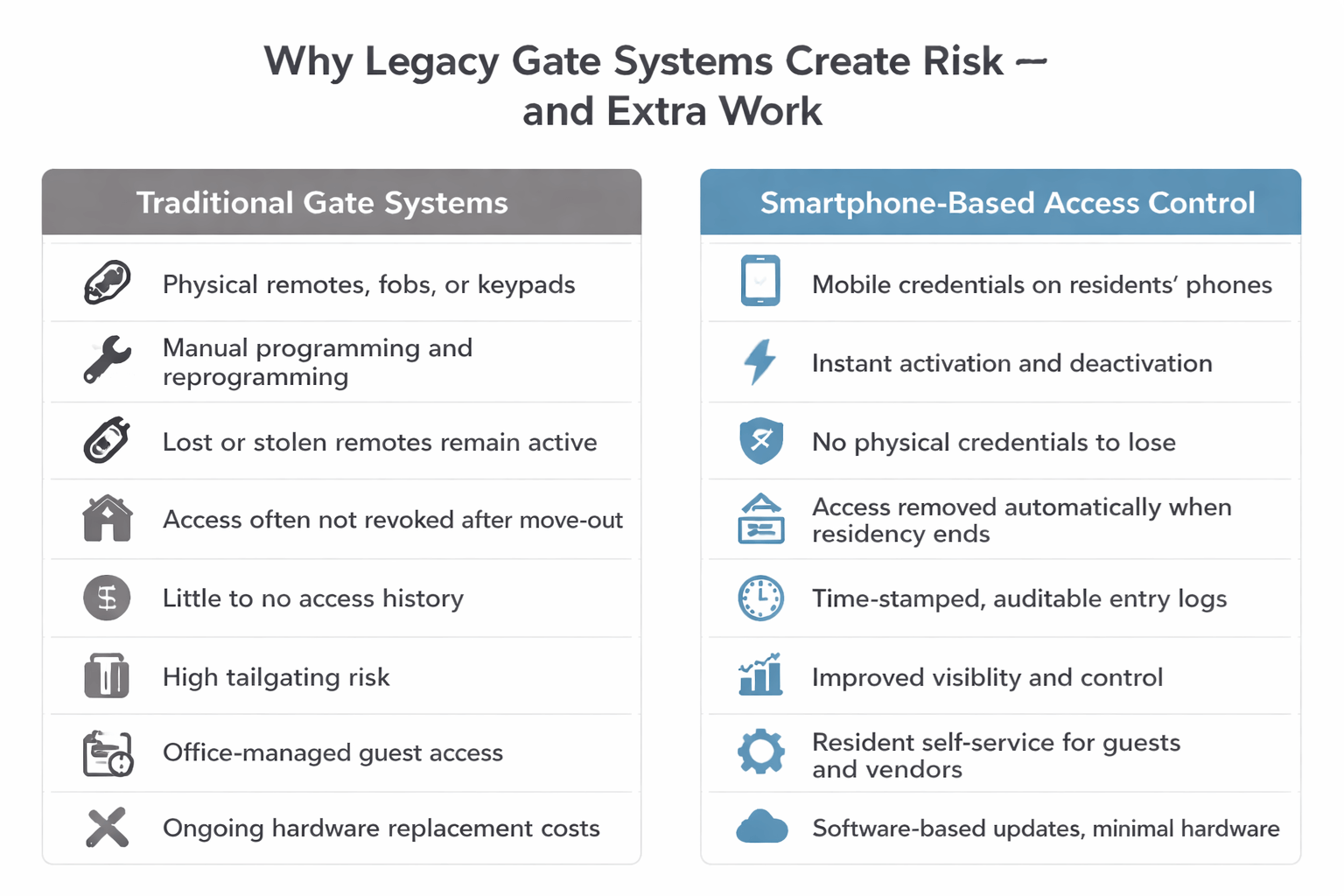
Traditional access control systems create problems that compound over time. When a resident loses a fob or remote, someone has to deactivate the old one, program a new one, and update the records. When a homeowner sells, deactivation often gets overlooked. Before long, there are more active credentials floating around than current residents.
This matters because tailgating—unauthorized individuals following authorized vehicles through gates—remains the most prevalent access control vulnerability. An ASIS International survey found that 61% of organizations reported tailgating or piggybacking as their most common access control issue.
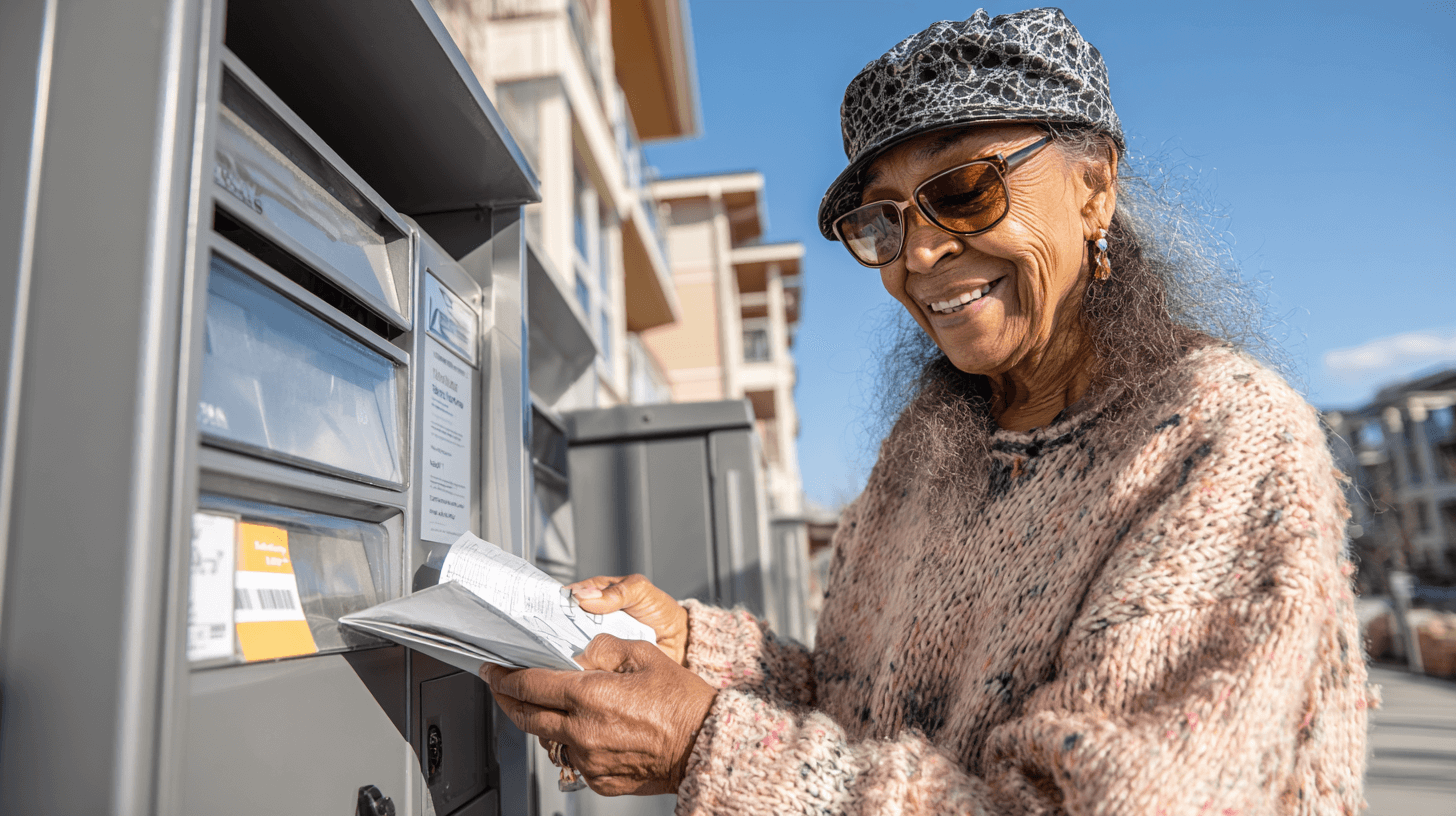
Package theft amplifies these concerns. HOA common areas—mail kiosks, clubhouse porches, package rooms—become targets when access isn't properly controlled.
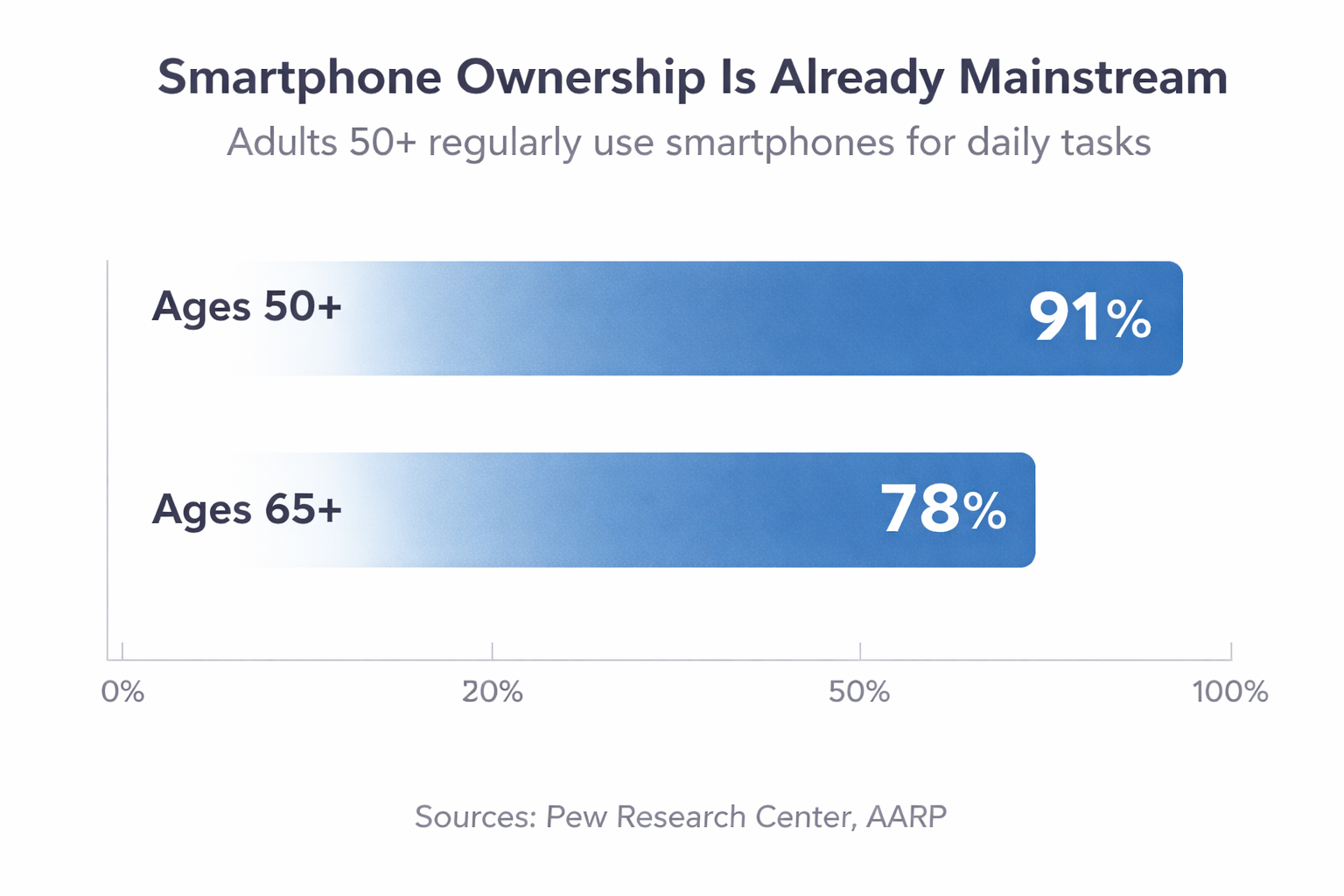
The concern that older residents won't adapt to smartphone access simply doesn't hold up anymore. Pew Research Center's 2025 Mobile Fact Sheet shows that 78% of adults 65 and older now own smartphones. AARP's 2025 Tech Trends report puts smartphone ownership at 91% among adults 50 and older.
These aren't early adopters—they're mainstream users who pay bills, schedule appointments, and stay connected with family through their phones. Opening a gate is considerably simpler than managing a Zoom call with grandchildren.
For HOA managers, smartphone-based systems eliminate the endless credential management cycle. When a home sells, access deactivates instantly through property management software integration. No physical handoff required. No orphaned credentials to track down.
Garden-style communities and spread-out HOAs often lack reliable WiFi at gate locations. Systems relying on internet connectivity create single points of failure. Cellular-based access control works independently of community infrastructure—when the clubhouse internet goes down, the gates keep working.
The real time savings come from automation. Look for systems that connect with platforms like Yardi, RealPage, Entrata, or AppFolio. When a home closes and ownership transfers in your management software, access should update automatically.
Residents need easy ways to authorize guests without calling the management office. The best systems let homeowners share temporary access codes or one-time entry permissions directly from their phones—useful for everything from dinner party guests to emergency plumbers.
HOA budgets require predictability. Avoid systems with per-user fees that scale with community size or hidden charges for firmware updates and support. Monthly flat-rate pricing per access point simplifies budgeting and board approvals.
Here's something many boards don't realize: modern access control can reduce insurance premiums. According to Policygenius, professionally monitored security systems can reduce homeowners insurance by 5% to 20%, depending on the insurer and system type. For an HOA master policy, these savings can meaningfully offset the cost of upgrading access control.
More importantly, detailed access logs provide documentation in liability situations. When questions arise about who was on property at what time, having timestamped records protects the association.

HOA boards run on volunteer power. The Community Associations Institute Foundation's 2024 Statistical Review found that community association volunteers contribute 101.5 million hours annually, valued at $3.4 billion. That's an extraordinary resource—but it's also finite.
Every hour a board member spends troubleshooting gate remotes or tracking down unauthorized credentials is an hour not spent on reserve planning, community events, or strategic decisions. Access control systems should reduce administrative burden, not add to it.
The best time to upgrade access control is during a gate motor replacement, a community-wide security review, or when your current system reaches end-of-life. But waiting for the perfect moment often means waiting too long.
Modern smartphone-based systems like Gatewise install in hours rather than days, work with existing gate hardware, and start delivering value immediately. With cellular connectivity ensuring reliability regardless of infrastructure, property management integration automating credential management, and transparent pricing simplifying budget planning, the barriers to entry are lower than ever.
Your residents already carry the key in their pockets. It's time to let them use it.
Ready to see how smart access control works for HOA communities? Request a demo or call to discuss your community's specific needs.
Gatewise offers a simple and modern gate entry system that provides residents with a mobile app and managers with a cloud-based management portal.